
Support for menstrual health should never depend on luck.
Across schools, offices, factories, hospitals, and public spaces, many women and girls still face unexpected period emergencies without immediate access to sanitary pads.
This is where a pad vending machine becomes more than just a device — it becomes a powerful support system and a critical piece of public health infrastructure, ensuring dignity, accessibility, and hygiene when it is needed most.
Awareness Stage: Understanding the Need for Menstrual Access
Menstruation is a natural biological process experienced by nearly half the population. However, access to menstrual hygiene products is not universal.
Lack of access can lead to:
- School absenteeism
- Workplace discomfort
- Use of unsafe alternatives
- Increased infection risk
- Emotional distress and embarrassment
In many public environments, there are soap dispensers and hand dryers — but no access to menstrual products.
A pad vending machine addresses this gap.
What Is a Pad Vending Machine?


4
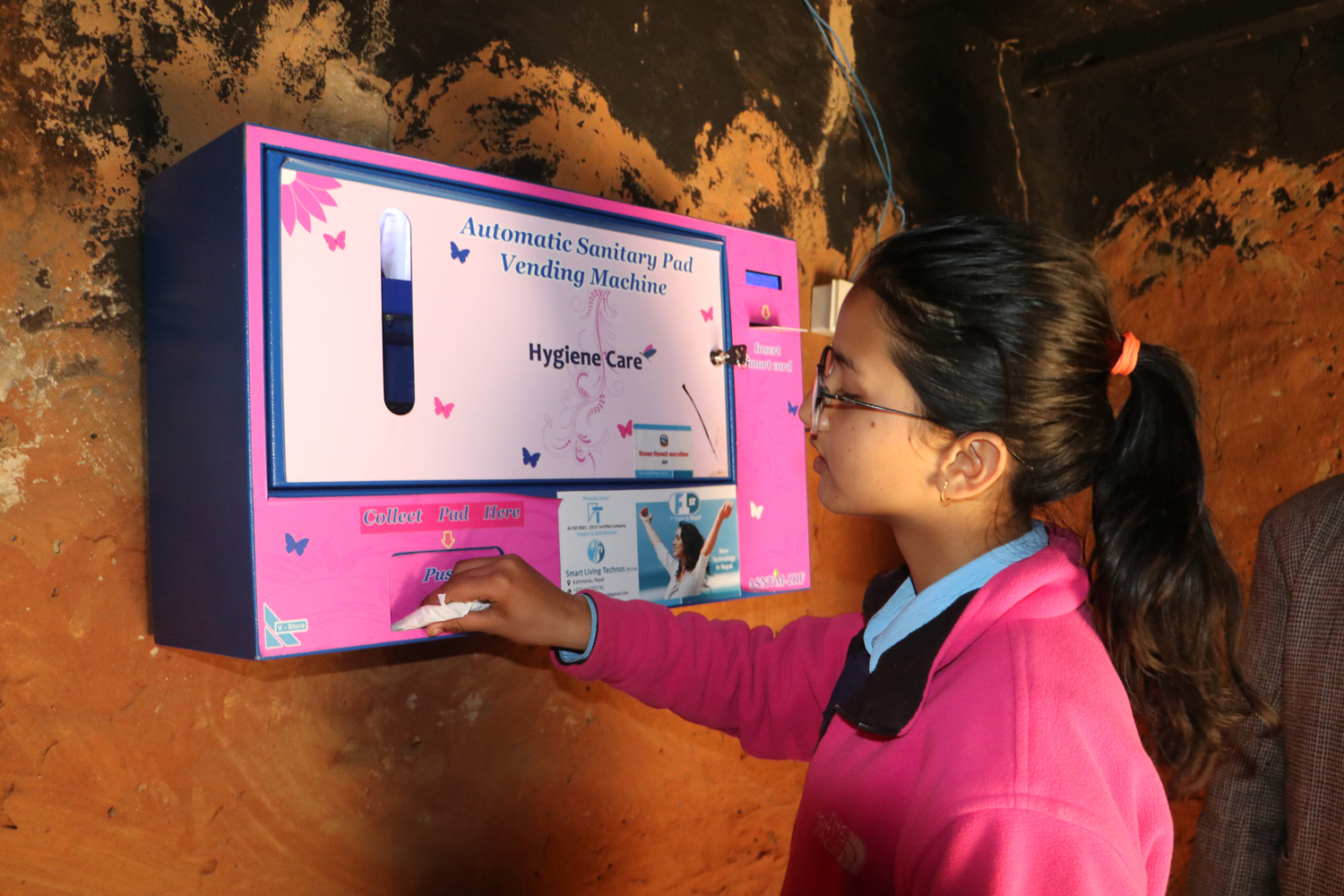
A pad vending machine is an automated dispensing unit installed in restrooms or public spaces that provides sanitary pads on demand.
It is designed to:
- Provide support and immediate access to menstrual products
- Maintain privacy
- Reduce embarrassment
- Support hygiene in emergencies
The machine dispenses sealed sanitary pads after:
- Coin insertion
- Token usage
- Smart card tap
- QR code payment
- Digital payment
Some models are free-dispensing, especially in schools or government institutions.
Consideration Stage: How Does a Pad Vending Machine Work?
Most machines are compact, wall-mounted units placed inside women’s washrooms.
Basic Operating Steps:
- Insert coin or scan QR code
- Press a button
- A sealed sanitary pad is dispensed
Advanced Features May Include:
- Digital display panels
- Rechargeable battery systems
- Stock indicators
- Low-maintenance alerts
- Touchless dispensing options
- Smart payment integration
Machines are typically made of:
- Stainless steel
- Powder-coated metal
- Durable plastic casing
Designed for hygiene, they are easy to refill and clean.
Why Are Pad Vending Machines Important?
1. Emergency Preparedness
Periods are not always predictable. Even women with regular cycles can experience unexpected bleeding.
A vending machine provides immediate relief and support
2. Educational Impact


4
In schools and colleges, lack of access can lead to absenteeism.
Installing machines:
- Reduces missed school days
- Improves attendance
- Encourages menstrual education
- Reduces stigma
3. Workplace Inclusivity
In corporate offices and factories:
- Supports employee well-being
- Improves comfort and productivity
- Demonstrates gender-sensitive infrastructure
- Builds organizational reputation
Menstrual support reflects workplace inclusivity.
4. Public Health Protection
Access to sanitary products reduces:
- Use of unsafe materials
- Risk of infections
- Hygiene-related complications
It aligns with broader public health goals.
Where Should Pad Vending Machines Be Installed?
Educational Institutions
- Schools
- Colleges
- Universities
Workplaces
- Corporate offices
- Manufacturing units
- Government buildings
Public Spaces
- Railway stations
- Airports
- Malls
- Hospitals
- Community centers
Rural and Underserved Areas
- Panchayat buildings
- Public toilets
- Health camps
Installation sends a message:
“We recognize menstrual hygiene as a necessity.”
Beyond the Machine: Supporting Infrastructure

4
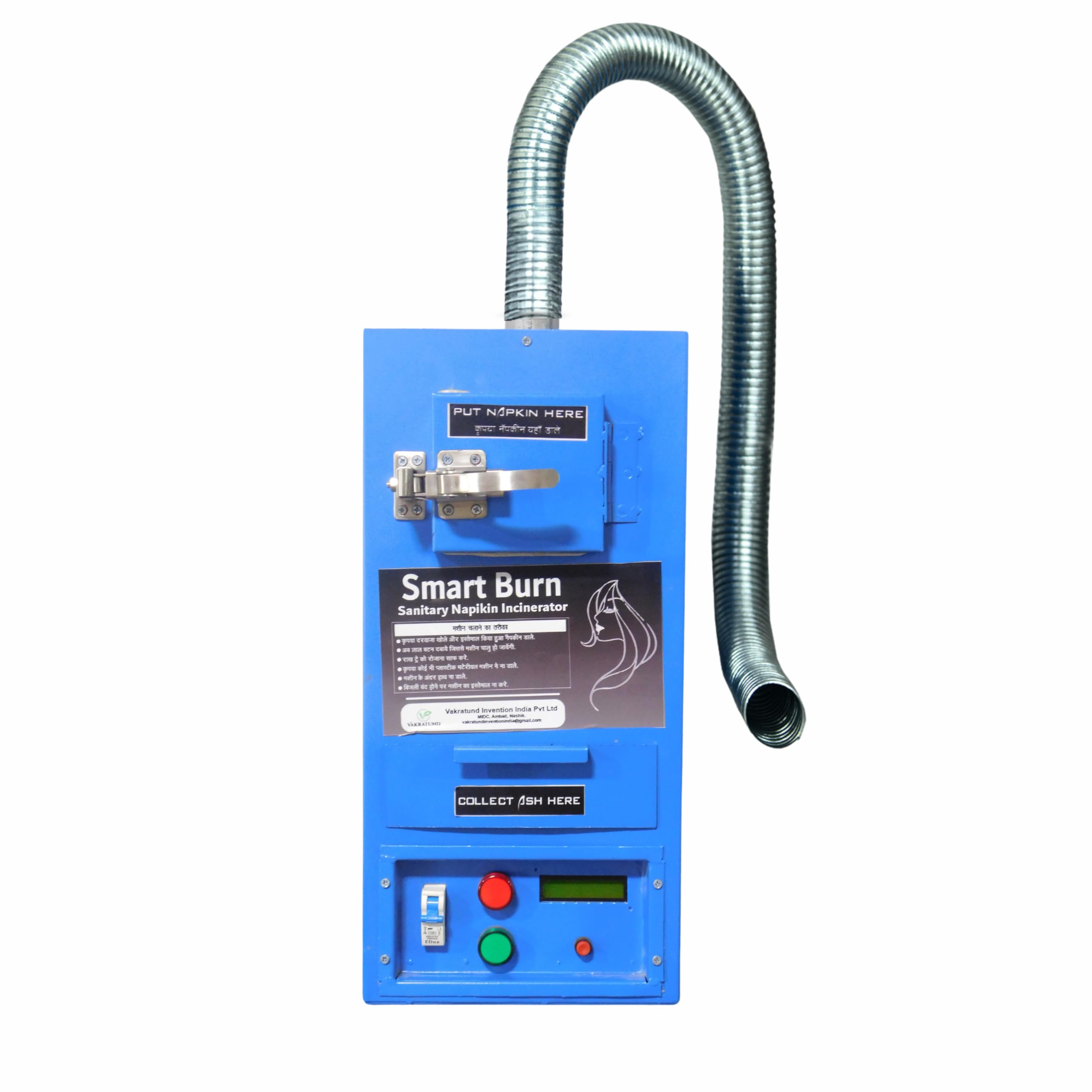
A pad vending machine works best when combined with:
- Proper disposal bins
- Incinerators
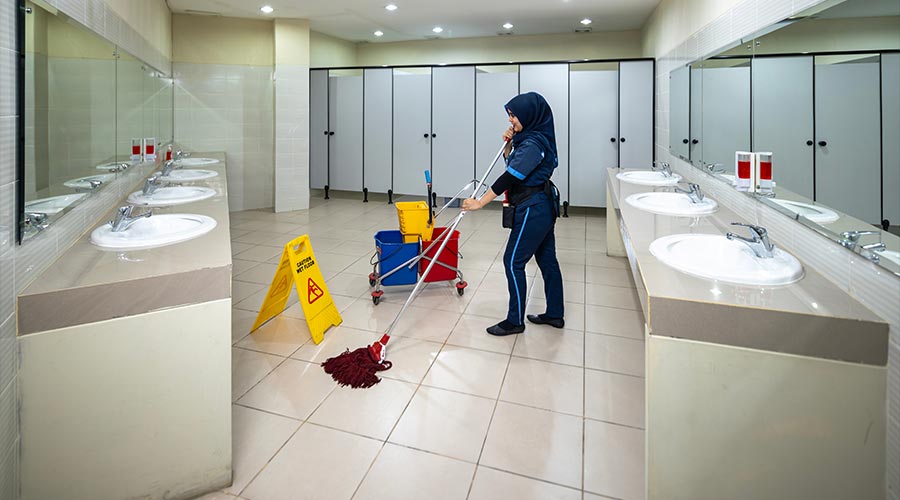
- Clean restroom facilities
- Awareness campaigns
- Regular maintenance
Access without disposal solutions creates another problem.
Infrastructure must be holistic.
Social and Economic Benefits
Reduced Absenteeism
Studies show improved attendance when menstrual products are accessible.
Enhanced Dignity
Privacy reduces embarrassment and anxiety.
Community Health Improvement
Better hygiene reduces infections.
Positive Brand Image
Institutions that prioritize menstrual access are viewed as socially responsible.
Cost and Maintenance Considerations
Institutions often ask:
Is it expensive?
In reality:
- Installation costs are moderate
- Maintenance is minimal
- Refilling is simple
- Long-term impact outweighs cost
Models vary from basic coin-operated systems to smart digital versions.
Challenges in Implementation
While beneficial, some challenges include:
- Maintenance negligence
- Refilling delays
- Vandalism
- Poor placement
Successful implementation requires:
- Assigned maintenance staff
- Regular inspection
- Awareness communication
Infrastructure without management is ineffective.
Cultural and Social Impact
Pad vending machines contribute to:
- Breaking menstrual stigma
- Encouraging open conversation
- Normalizing menstrual care
- Promoting gender equality
Visibility of menstrual infrastructure sends a powerful cultural message.
Decision Stage: Why Institutions Should Invest
If you are:
- A school administrator
- A corporate HR leader
- A public policy planner
- A healthcare manager
Installing a pad vending machine demonstrates commitment to:
✔ Women’s health
✔ Gender inclusion
✔ Hygiene access
✔ Social responsibility
It is a small step with high social impact.
The Bigger Vision: Menstrual Dignity
Menstrual dignity means:
- Access
- Privacy
- Safety
- Comfort
- Respect
A pad vending machine supports all five.
Menstrual hygiene should never depend on emergency borrowing or improvisation.
Final Thoughts
So, what is a pad vending machine?
It is:
- An automated sanitary pad dispenser
- A public health solution
- An emergency support system
- A symbol of menstrual dignity
- A step toward gender-inclusive infrastructure
Menstrual access is not optional. It is essential.
When institutions install pad vending machines, they are not just providing products — they are building inclusive, respectful environments.