
Menstruation is often discussed only in terms of pads, tampons, or cleanliness. But menstrual care goes far beyond hygiene. Many people use the terms menstrual hygiene and menstrual care interchangeably — yet they represent two different, though interconnected, concepts.
Understanding the difference is essential for long-term reproductive wellness, hormonal balance, and overall well-being.
In this comprehensive guide, we’ll explain the difference between menstrual hygiene and menstrual health using a marketing funnel structure (Awareness → Consideration → Action → Decision) and grounded in EEAT principles (Expertise, Experience, Authority, Trustworthiness) to ensure medically responsible and research-informed clarity.
Awareness Stage: Why This Distinction Matters
Menstruation is not just about managing bleeding — it is a vital sign of overall health.
If we focus only on hygiene (cleanliness), we miss deeper factors such as:
- Hormonal balance
- Cycle regularity
- Nutritional status
- Emotional well-being
- Reproductive function
Public health experts increasingly emphasize that menstrual well-being includes both external management and internal physiological health.
To build sustainable menstrual care practices, we must understand both concepts clearly.
What Is Menstrual Hygiene?
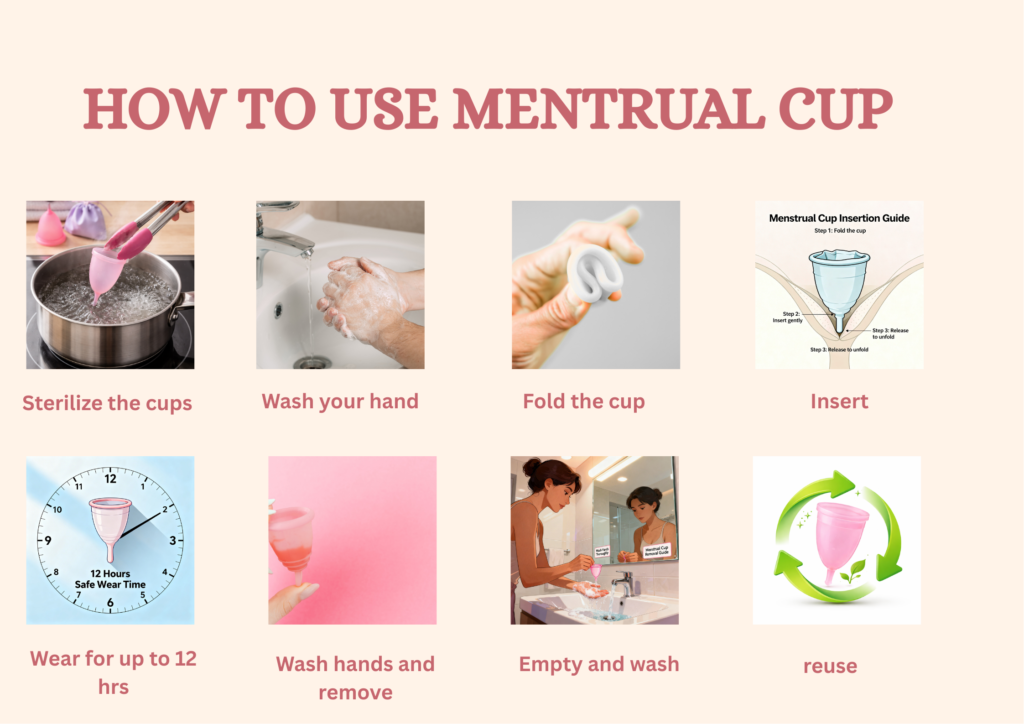


4
Menstrual hygiene refers to the safe and clean management of menstrual bleeding.
It focuses primarily on practices that prevent infection and maintain cleanliness during periods.
Menstrual Hygiene Includes:
- Using sanitary pads, tampons, menstrual cups, or period underwear
- Changing products every 4–6 hours
- Washing hands before and after changing products
- Cleaning reusable products properly
- Wearing breathable cotton underwear
- Safe disposal of used menstrual products
Main Goal:
To maintain cleanliness, prevent infections, and ensure comfort during menstruation.
It is primarily concerned with external care and sanitation practices.
period hygiene is essential — but it is only one part of the bigger picture.
What Is Menstrual Health?


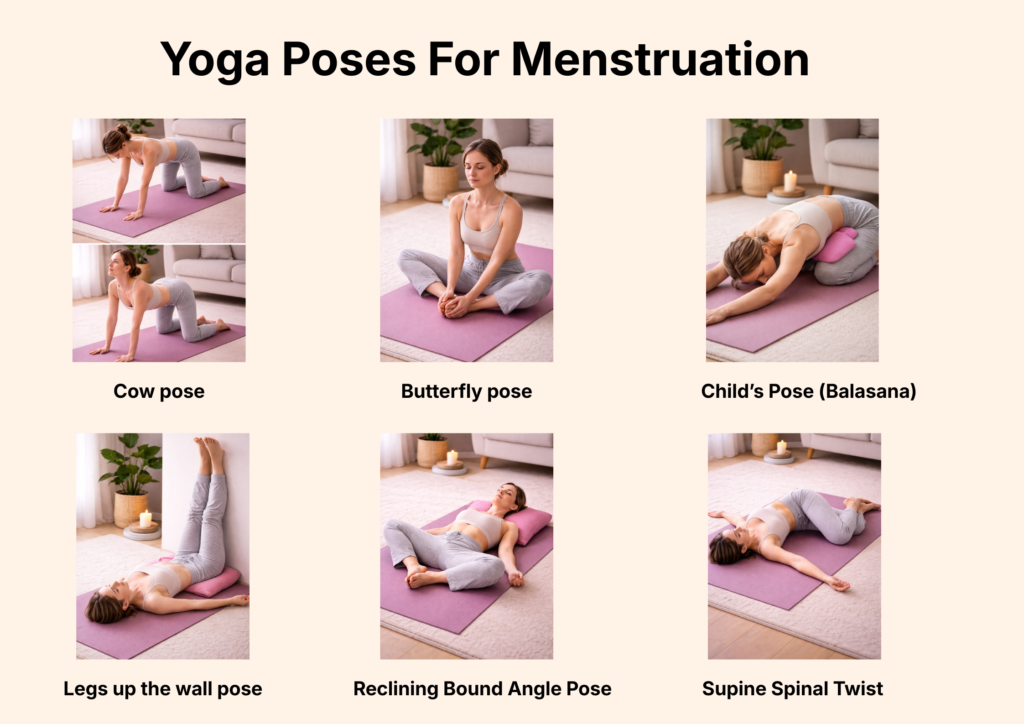
4
Menstrual health is a broader and more comprehensive concept.
It refers to the overall physical, hormonal, emotional, and reproductive well-being related to the menstrual cycle.
Menstrual Health Includes:
- Regular menstrual cycles
- Hormonal balance (estrogen and progesterone regulation)
- Ovulation health
- PMS and PMDD management
- PCOS/PCOD awareness
- Pain management
- Nutrition and lifestyle habits
- Emotional and mental well-being
- Access to medical care
Main Goal:
To ensure the menstrual cycle functions normally and reflects overall reproductive health.
Menstrual health focuses on internal biological processes and long-term wellness.
Core Difference: Hygiene vs Health
Here’s a simplified comparison:
| Menstrual Hygiene | Menstrual Health |
|---|---|
| Focuses on cleanliness | Focuses on hormonal balance |
| Manages period bleeding | Manages the entire menstrual cycle |
| Prevents infections | Prevents long-term disorders |
| Product-centered | Whole-body centered |
| Short-term care | Long-term reproductive well-being |
| External practices | Internal physiological processes |
Menstrual hygiene is about how you manage your period.
Menstrual health is about how well your body functions.
Both are equally important — but they serve different purposes.
Consideration Stage: Why Hygiene Alone Is Not Enough
A woman may:
✔ Use clean sanitary products
✔ Maintain proper hygiene
✔ Change pads regularly
Yet still experience:
- Irregular periods
- Severe cramps
- Hormonal acne
- Mood swings
- PCOS symptoms
- Heavy bleeding
- PMDD
This is because menstrual health depends on deeper biological systems:
- Endocrine (hormonal) system
- Metabolic function
- Stress regulation
- Nutritional intake
- Sleep quality
Cleanliness does not regulate hormones.
Hormonal imbalance cannot be solved by hygiene alone.
The Science Behind Menstrual Health
The menstrual cycle is controlled by:
- Hypothalamus
- Pituitary gland
- Ovaries
These organs regulate hormones such as:
- Egoogle.comstrogen
- Progesterone
- Luteinizing hormone (LH)
- Follicle-stimulating hormone (FSH)
Any disruption — stress, nutritional deficiency, metabolic imbalance — can affect the cycle.
For example:
- High stress increases cortisol, which may delay ovulation.
- Insulin resistance may contribute to PCOS.
- Iron deficiency may worsen fatigue after menstruation.
These are menstrual health issues — not hygiene issues.
Public Health Perspective
Globally, organizations emphasize Menstrual Hygiene Management (MHM) for sanitation and dignity, especially in schools and underserved communities.
However, recent health frameworks also highlight:
- Access to gynecological care
- Education about hormonal disorders
- Mental health support during menstrual cycles
This shift recognizes that menstrual health goes beyond product access.
Action Stage: How to Improve Both Hygiene and Health
Improving Menstrual Hygiene
- Change sanitary products regularly
- Use safe, high-quality menstrual products
- Wash hands thoroughly
- Avoid harsh intimate cleansers
- Ensure proper disposal
These steps reduce infection risk.
Improving Menstrual Health
- Eat balanced meals rich in protein and iron
- Manage stress levels
- Sleep 7–8 hours daily
- Exercise moderately
- Track your cycle
- Seek medical help for irregular symptoms
Menstrual health requires consistent lifestyle care.
Decision Stage: Shifting From Basic Care to Holistic Care
Ask yourself:
Are you only managing bleeding —
or are you understanding your cycle?
If your goal is:
✔ Regular cycles
✔ Less pain
✔ Stable mood
✔ Improved fertility
✔ Long-term reproductive health
Then menstrual health must be prioritized alongside hygiene.
True empowerment comes from understanding your body — not just cleaning it.
Final Thoughts
Menstrual hygiene keeps you clean.
Menstrual health keeps you balanced.
Hygiene prevents infections and ensures dignity.
Health ensures proper hormonal function and overall well-being.
Both are essential — but they are not the same.
Understanding this difference allows women and girls to move from basic period management to complete menstrual wellness.
Your period is not just a monthly event.
It is a biological signal of your internal health.
When hygiene and health work together, menstrual care becomes holistic, informed, and empowering.