
Feminine washes are marketed as essentials for “intimate freshness,” odor control, and pH balance. Walk into any pharmacy, and you’ll see shelves filled with beautifully packaged bottles promising comfort and confidence.
But here’s the important question:
Are feminine washes always safe for daily use?
Many women use them regularly without realizing that the vagina is naturally self-cleaning. In this in-depth guide, we’ll explore the side effects of using feminine wash, structured using a marketing funnel approach (Awareness → Consideration → Action → Decision) and grounded in EEAT principles (Expertise, Experience, Authority, Trustworthiness) to ensure medically responsible, research-based clarity.
Awareness Stage: What Is a Feminine Wash?
A feminine wash (also called an intimate wash) is a liquid cleansing product designed for the external vaginal area (the vulva). These products often claim to:
- Maintain vaginal pH
- Prevent bad odor
- Reduce itching
- Provide long-lasting freshness
- Prevent infections
However, most feminine washes contain ingredients such as:
- Artificial fragrances
- Preservatives
- Antibacterial agents
- Surfactants (cleansing chemicals)
- Synthetic foaming agents
While some formulations are milder than regular soaps, overuse or improper use may disrupt the natural vaginal ecosystem.
Understanding the Vaginal Microbiome


4
The vagina naturally maintains an acidic pH (around 3.8–4.5). This acidity supports beneficial bacteria called Lactobacilli, which protect against harmful microbes.
The vagina is self-cleaning through natural discharge. Internal cleansing (douching) is medically discouraged.
When external cleansing products are used excessively, they can disturb:
- pH balance
- Good bacteria
- Natural lubrication
- Protective barrier function
This disruption can lead to multiple side effects.
Consideration Stage: Side Effects of Using Feminine Wash
1. Disruption of Natural pH Balance
Many feminine washes claim to be “pH-balanced.” However, not all products truly match the delicate vaginal environment.
Frequent use may:
- Increase vaginal pH
- Reduce protective bacteria
- Create an environment for harmful bacteria to grow
This increases the risk of:
- Bacterial vaginosis
- Yeast infections
- Vaginal discomfort
Ironically, products marketed to “prevent infection” may increase susceptibility if overused.
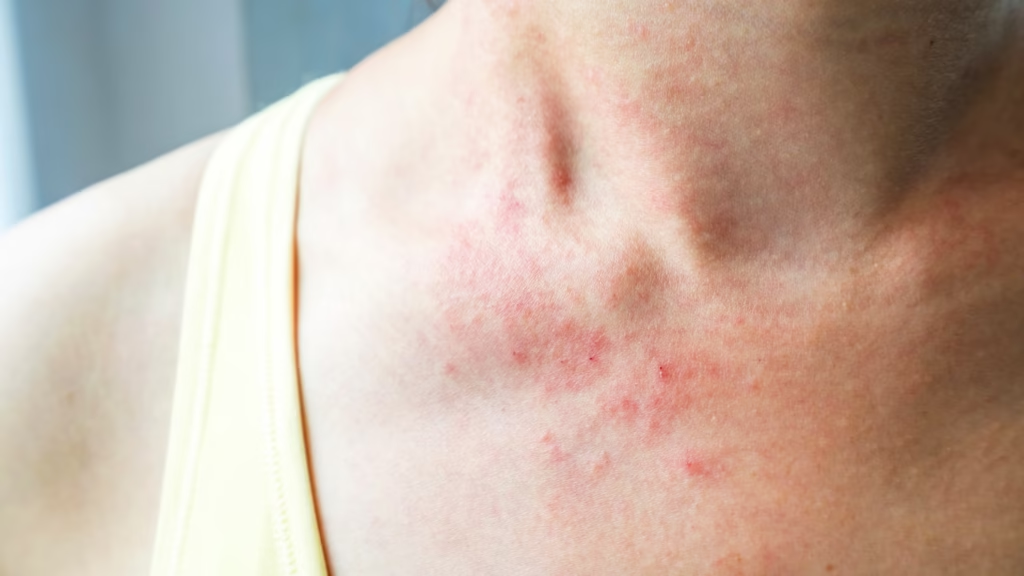
2. Irritation, Redness, and Burning Sensation

4
Fragrances and preservatives are common irritants.
Possible reactions include:
- Itching
- Burning sensation
- Redness
- Rashes
- Swelling
Women with sensitive skin are especially vulnerable. Even “mild” products can trigger irritation in some individuals.
3. Increased Risk of Yeast Infections
When natural Lactobacilli levels decrease, yeast organisms (like Candida) may multiply.
Symptoms may include:
- Thick white discharge
- Severe itching
- Burning during urination
- Discomfort during intercourse
Regular or excessive washing can remove the protective bacterial barrier that prevents fungal overgrowth.
4. Vaginal Dryness
Some washes contain cleansing agents that strip natural moisture.
This can cause:
- Dryness
- Tightness
- Discomfort during intimacy
- Micro-tears in delicate skin
Long-term dryness increases vulnerability to infections.
5. Masking Underlying Medical Conditions
Persistent odor or unusual discharge may indicate:
- Bacterial vaginosis
- Yeast infection
- Sexually transmitted infections
- Hormonal imbalance
Using feminine wash to mask odor may delay medical diagnosis.
It is important to identify the root cause rather than covering symptoms.
6️⃣ Hormonal Sensitivity Reactions
Some products contain chemicals that may affect sensitive individuals, especially those prone to:
- Hormonal acne
- Allergic dermatitis
- Eczema
- Recurrent vaginal infections
While rare, certain additives may cause repeated irritation cycles.
7. Psychological Dependency
Marketing often creates a belief that the vaginal area is “unclean” without special products.
This can lead to:
- Over-cleansing
- Anxiety about natural odor
- Reduced trust in the body’s natural processes
The vagina has a mild natural scent. It does not need to smell like perfume to be healthy.
Most gynecologists recommend:
✔ Cleaning only the external vulva
✔ Using lukewarm water
✔ Using mild, fragrance-free soap if necessary
✔ Avoiding douching
Routine daily use of perfumed intimate washes is generally unnecessary for healthy women.
Action Stage: Safer Alternatives for Intimate Care
If you want to maintain intimate hygiene safely:
1. Use Plain Water
For most women, water is sufficient for daily cleaning of the external vulva.
2. Choose Mild, Fragrance-Free Products
If soap is needed, choose:
- Hypoallergenic
- Fragrance-free
- Dermatologist-tested
3. Avoid Internal Washing
The vagina cleans itself through discharge. Internal washing disrupts natural balance.
4. Wear Breathable Underwear
Cotton underwear reduces moisture retention and irritation.
5. Change Menstrual Products Regularly
Proper menstrual hygiene prevents odor and infections more effectively than wash products.
Decision Stage: Should You Stop Using Feminine Wash?
Not every feminine wash is harmful. Occasional use of mild, fragrance-free products externally may be safe for some women.
However, daily use — especially multiple times per day — increases risk of side effects.
Ask yourself:
- Am I using it because I have symptoms?
- Or because I feel pressured by marketing?
True vaginal health focuses on:
✔ Balanced microbiome
✔ Proper menstrual hygiene
✔ Regular medical check-ups
✔ Listening to abnormal symptoms
Less intervention often means better balance.
When to See a Doctor Instead of Using Feminine Wash
Consult a healthcare professional if you experience:
- Strong fishy odor
- Persistent itching
- Thick or unusual discharge
- Pain during urination
- Recurrent infections
Self-treatment may worsen underlying conditions.
Final Thoughts
Feminine washes are not automatically dangerous — but overuse, fragranced products, and improper use can cause:
- pH imbalance
- Irritation
- Yeast infections
- Dryness
- Masked medical conditions
The vagina is self-regulating and self-cleaning. It does not require heavy cleansing or perfumed products to stay healthy.
Sometimes, the safest approach is gentle, minimal care.
Intimate health is about balance — not fragrance.