
Fertility concerns are often the first fear women experience after being diagnosed with PCOD (Polycystic Ovarian Disease).
Being told you have PCOD can feel overwhelming — especially if you dream of becoming a mother one day. One of the most common questions that follows diagnosis is, “Will I be able to get pregnant?”
The reassuring truth is that many women with PCOD successfully conceive. However, improving fertility may require the right medical guidance, lifestyle adjustments, hormonal balance, and patience.
This blog is designed to replace fear with clarity and provide evidence-based understanding about fertility and PCOD.
Awareness Stage: What Is PCOD and How Does It Affect Fertility?


4
PCOD (Polycystic Ovarian Disease) is a hormonal condition where the ovaries produce immature or partially mature eggs that can develop into small cysts.
It is characterized by:
- Irregular menstrual cycles
- Delayed ovulation
- Hormonal imbalance
- Elevated androgen (male hormone) levels
- Insulin resistance (in many cases)
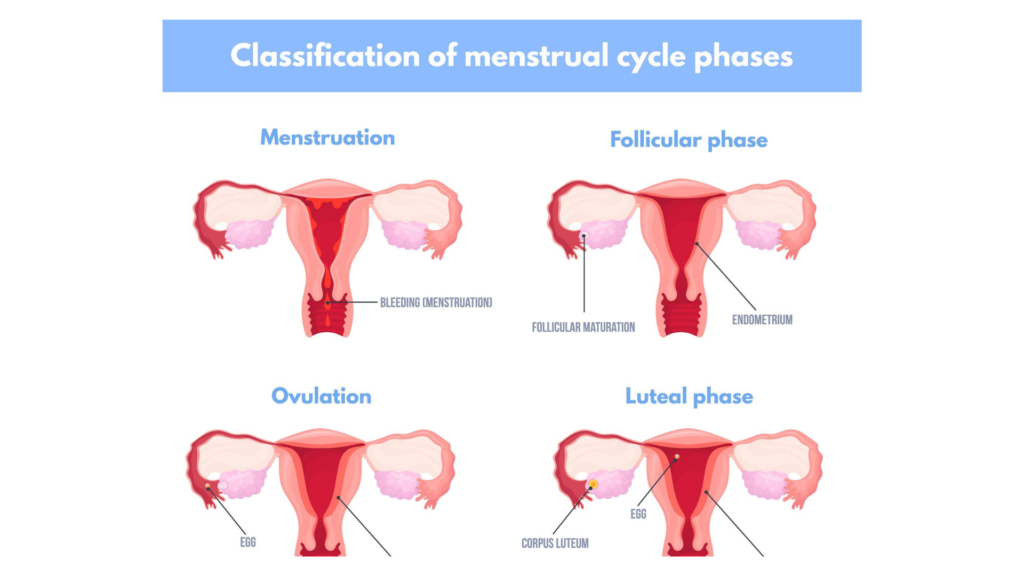
Fertility depends on regular ovulation — the release of a mature egg each cycle. When ovulation is irregular or absent, pregnancy becomes more difficult — but not impossible.
PCOD does not equal infertility.
It means ovulation needs support.
How Common Is Fertility Difficulty in PCOD?
PCOD is one of the most common causes of ovulatory infertility — but it is also one of the most treatable.
Studies show:
- Many women with PCOD ovulate occasionally.
- With lifestyle correction, ovulation may normalize.
- With medication, ovulation success rates significantly improve.
- A large percentage of women with PCOD eventually conceive naturally or with minimal assistance.
Understanding the mechanism helps reduce anxiety.
Consideration Stage: Why PCOD Affects Pregnancy
1. Irregular Ovulation


4
In PCOD:
- The ovaries may not release eggs consistently.
- Cycles may be delayed or absent.
- Egg maturation may be incomplete.
Without ovulation, conception cannot occur.
2. Insulin Resistance
Many women with PCOD have insulin resistance.
High insulin levels:
- Stimulate excess androgen production
- Disrupt ovulation
- Contribute to weight gain
Improving insulin sensitivity often restores ovulation.
3. Hormonal Imbalance
Elevated androgens can:
- Disrupt follicle development
- Prevent egg release
- Affect uterine lining preparation
Balancing hormones improves fertility potential.
4. Weight and Metabolic Factors
Excess weight may worsen insulin resistance and hormonal imbalance.
Even a 5–10% reduction in body weight can significantly improve ovulation.
Gynecologists and reproductive endocrinologists commonly treat PCOD-related infertility with high success rates.
Action Stage: How to Improve Fertility with PCOD
1. Lifestyle Modification (Foundation of Treatment)



4
Lifestyle is the first line of fertility support.
Focus on:
- Balanced, protein-rich meals
- Low refined sugar intake
- Regular strength training
- 30–45 minutes daily walking
- Adequate sleep (7–8 hours)
Improved insulin sensitivity often restores ovulation naturally.
2. Cycle Tracking
Track:
- Menstrual cycle length
- Ovulation signs
- Basal body temperature
- Cervical mucus changes
Understanding your cycle improves timing for conception.
3. Stress Management
Chronic stress increases cortisol, which affects reproductive hormones.
Helpful practices:
- Gentle yoga
- Deep breathing exercises
- Meditation
- Digital detox before bed
Emotional balance supports hormonal balance.
4. Medical Treatment Options
When lifestyle changes alone are insufficient, doctors may recommend:
Ovulation Induction Medications
- Stimulate egg release
- Increase pregnancy chances
Metformin
- Improves insulin sensitivity
- Supports hormonal balance
Hormonal Regulation
- Short-term cycle regulation before conception attempts
Fertility Treatments
- IUI (Intrauterine Insemination)
- IVF (In Vitro Fertilization) in advanced cases
Most women with PCOD do not require IVF as first-line treatment.
Emotional Reality of PCOD and Fertility
A PCOD diagnosis can bring:
- Anxiety
- Fear of infertility
- Social pressure
- Self-doubt
It’s important to understand:
PCOD is manageable.
Fertility is often achievable.
You are not broken.
With structured care, many women conceive successfully.
Realistic Timeline Expectations
Fertility improvement may take:
- 3–6 months of lifestyle changes
- 1–3 cycles of ovulation medication
- Longer if weight or metabolic issues are significant
Patience and consistency are essential.
Quick fixes rarely work. Structured plans do.
Risks During Pregnancy with PCOD
Women with PCOD may have slightly higher risks of:
- Gestational diabetes
- High blood pressure
- Preterm birth
Proper prenatal care significantly reduces these risks.
Early consultation improves outcomes.
Decision Stage: When to Seek Professional Help
Consult a gynecologist if:
✔ You have irregular periods
✔ You’ve been trying to conceive for 6–12 months
✔ You have symptoms of PCOD
✔ You experience excessive hair growth or acne
✔ You are over 30 and planning pregnancy
Early evaluation improves fertility success.
Final Thoughts
Fertility and PCOD are closely connected — but PCOD does not eliminate the possibility of pregnancy.
With the right care:
- Hormones can be balanced
- Ovulation can be restored
- Insulin resistance can be improved
- Pregnancy can be achieved
PCOD requires strategy — not panic.
The key pillars are:
✔ Lifestyle management
✔ Medical supervision
✔ Emotional resilience
✔ Patience
Your reproductive health is adaptable. With informed care, pregnancy is often possible.