
A practical guide to essential menstrual precautions that support hygiene, comfort, and overall health during your period.
Many girls and women experience cramps, fatigue, mood swings, bloating, headaches, and emotional sensitivity during menstruation. The key is not just managing the bleeding — but protecting your overall health.
This blog is designed to give you clarity, confidence, and safe menstrual care strategies.
Awareness Stage: Why Taking Precautions During Periods Matters
Menstruation involves hormonal shifts, uterine lining shedding, mild inflammation, and temporary immune changes.
During your period:
- Estrogen and progesterone levels drop
- The uterus contracts to shed its lining
- Blood and tissue are released
- Energy levels may fluctuate
If proper precautions are not taken, it can lead to:
- Vaginal infections
- Rashes and irritation
- Severe cramps
- Weakness and dizziness
- Emotional instability
Understanding the right precautions ensures hygiene, comfort, and hormonal balance.
1. Maintain Proper Menstrual Hygiene


4
Hygiene is the first and most important precaution.
What You Should Do:
- Change sanitary pads every 4–6 hours
- Change tampons every 4–8 hours
- Empty menstrual cups every 6–8 hours
- Wash hands before and after changing products
- Wear breathable cotton underwear
- Keep the intimate area dry
Why It Matters:
Prolonged use of the same product can cause:
- Bacterial growth
- Unpleasant odor
- Skin rashes
- Urinary tract infections
Menstrual hygiene prevents infection and ensures comfort.
2. Avoid Harsh Intimate Products


4
Many women assume strong cleansing equals better hygiene — but that’s not true.
Precautions:
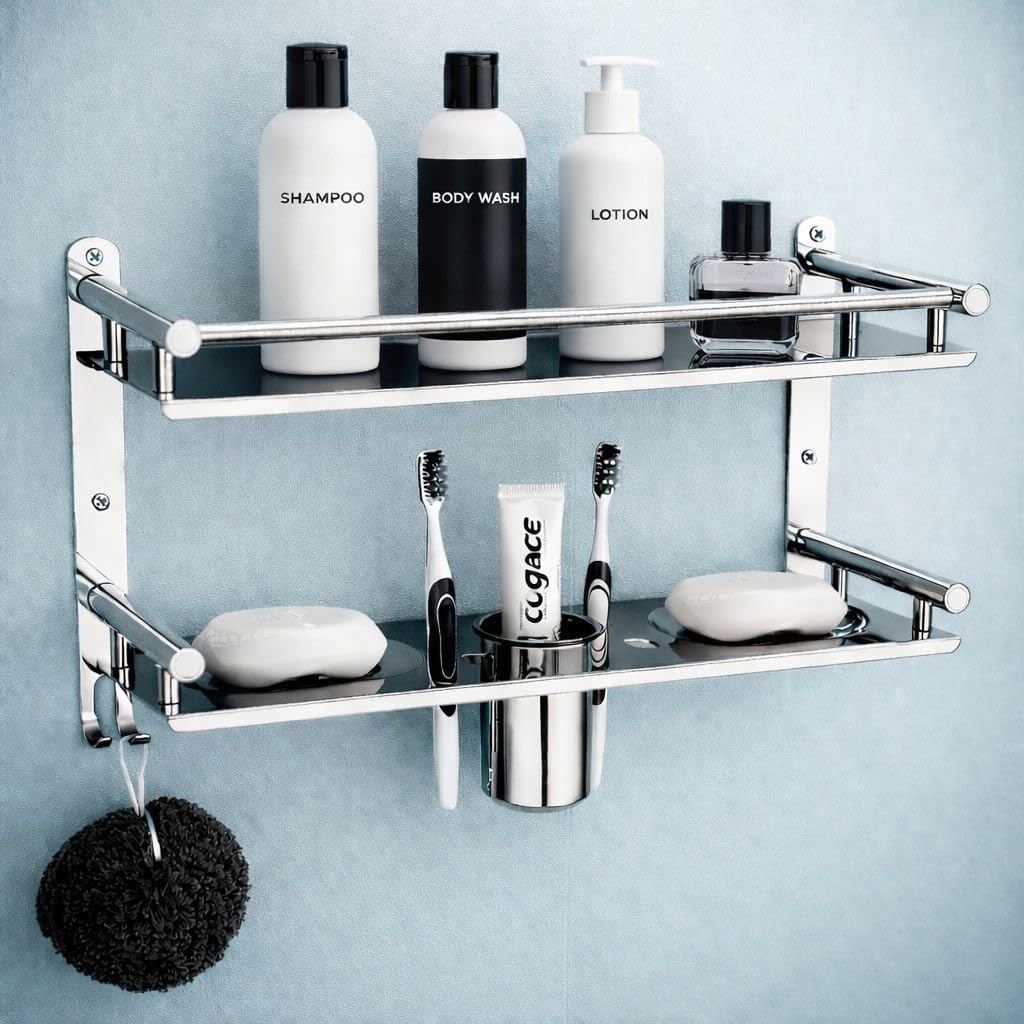
- Avoid perfumed feminine washes
- Do not douche
- Use lukewarm water for external cleaning
- Choose fragrance-free products if needed
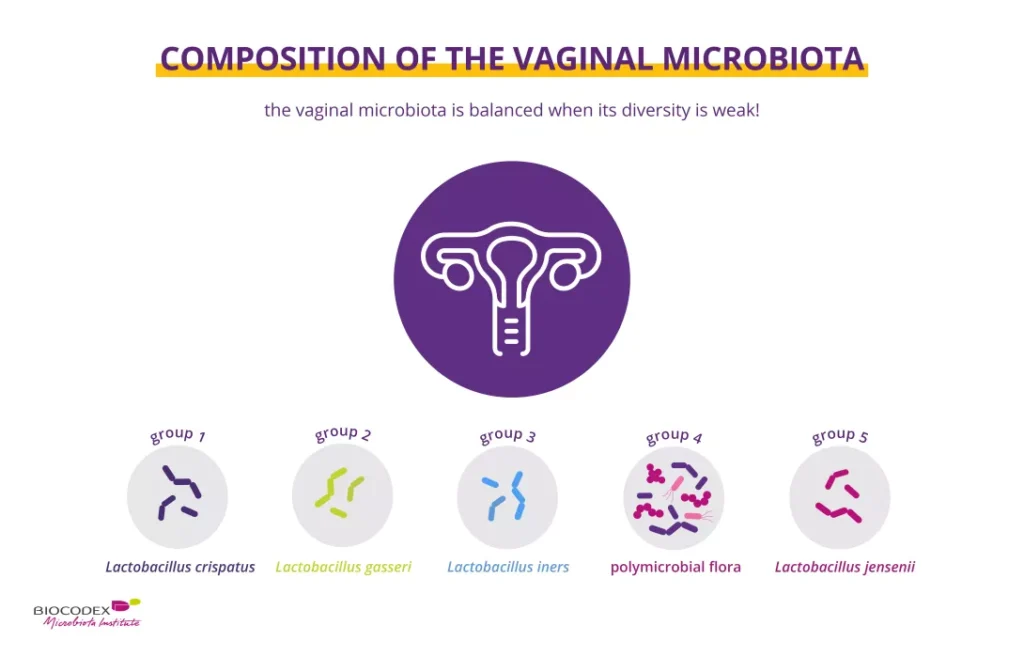
The vagina is self-cleaning. Harsh chemicals disturb natural pH balance and increase infection risk.
3. Eat Nutrient-Rich Foods


4
Your body loses blood during menstruation, which may reduce iron levels.
Include:
- Iron-rich foods (spinach, lentils, beans)
- Vitamin C (to improve iron absorption)
- Protein-rich meals
- Magnesium-rich foods
- Warm herbal teas
Avoid:
- Excess caffeine
- Processed junk food
- High-salt foods
Proper nutrition reduces fatigue, dizziness, and cramps.
4. Stay Hydrated
Drink at least 2–3 liters of water daily.
Hydration helps:
- Reduce bloating
- Prevent headaches
- Improve blood circulation
- Reduce fatigue
Warm water may also help ease cramps.
5. Avoid Excessive Physical Strain


4
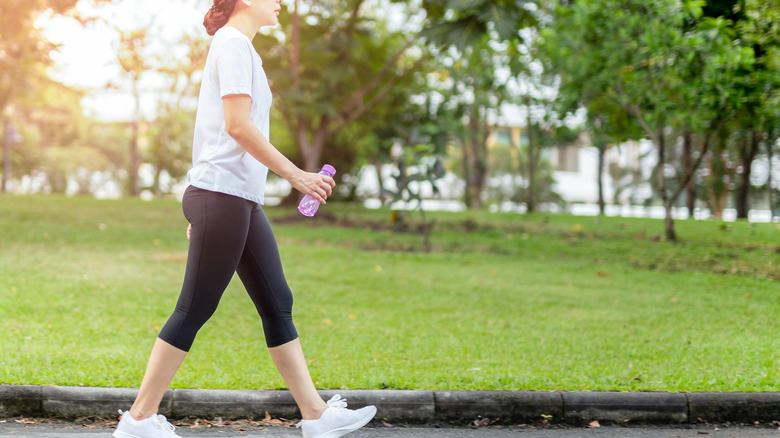
You do not need to completely avoid movement — but intense workouts may increase discomfort.
Recommended:
- Gentle yoga
- Stretching
- Walking
- Light mobility exercises
Avoid:
- Heavy lifting
- Intense cardio
- High-pressure abdominal workouts
Gentle movement improves blood flow and reduces cramps.
6.Prioritize Rest and Sleep
Hormonal fluctuations affect energy and mood.
Precautions:
- Sleep 7–8 hours
- Avoid late-night screen exposure
- Take short rest breaks if needed
Rest helps regulate mood swings and supports recovery.
7. Manage Emotional Health
Periods affect neurotransmitters such as serotonin.
You may experience:
- Irritability
- Anxiety
- Sadness
- Emotional sensitivity
Helpful Strategies:
- Deep breathing exercises
- Journaling
- Light stretching
- Talking to supportive friends
If emotional symptoms are severe or recurring, consult a healthcare provider.
8. Maintain Clean Clothing and Bedding
Change:
- Underwear daily
- Bedsheets if stained
- Period products frequently
Wearing tight, synthetic clothing can increase moisture and irritation.
Choose loose, breathable fabrics.
9. Monitor Unusual Symptoms
Consult a doctor if you experience:
- Heavy menstrual bleeding (soaking a pad every hour)
- Severe pain interfering with daily life
- Foul odor discharge
- Fever during periods
- Period lasting more than 7–8 days
These may indicate conditions such as:
- Endometriosis
- PCOS
- Fibroids
- Infection
Early evaluation prevents complications.
Menstrual care is not about myths — it is about evidence-based hygiene and lifestyle management.
Avoid misinformation such as:
❌ Not bathing during periods
❌ Avoiding all physical activity
❌ Restricting healthy foods unnecessarily
Science supports balanced, hygienic care.
Consideration Stage: Personalized Period Care
Every woman’s body is different.
Some experience:
- Mild cramps
- Heavy flow
- Mood changes
- Fatigue
Your precautions may vary based on:
- Flow intensity
- Age
- Hormonal health
- Lifestyle
- Underlying conditions
Tracking your cycle helps you anticipate symptoms and adjust care.
Action Stage: Building Your Period Care Routine
Here’s a simple checklist:
✔ Change menstrual product every 4–6 hours
✔ Drink enough water
✔ Eat iron-rich meals
✔ Avoid harsh cleansing products
✔ Do light stretching
✔ Sleep adequately
✔ Monitor unusual symptoms
Consistency is key.
Decision Stage: When to Seek Professional Help
If you regularly experience:
- Debilitating pain
- Extremely heavy flow
- Severe mood swings
- Period absence for months
Consult a gynecologist.
Periods are a vital sign of reproductive health. Abnormal patterns deserve medical evaluation.
Final Thoughts
Taking precautions during periods is not about restriction — it is about respect for your body’s natural rhythm.
With proper hygiene, balanced nutrition, hydration, gentle movement, emotional care, and medical awareness, you can manage your periods safely and confidently.
Your period is not a weakness.
It is a biological process that deserves informed care.
When you take the right precautions, you move from simply “managing” your period to actively protecting your long-term health.